Our Blog


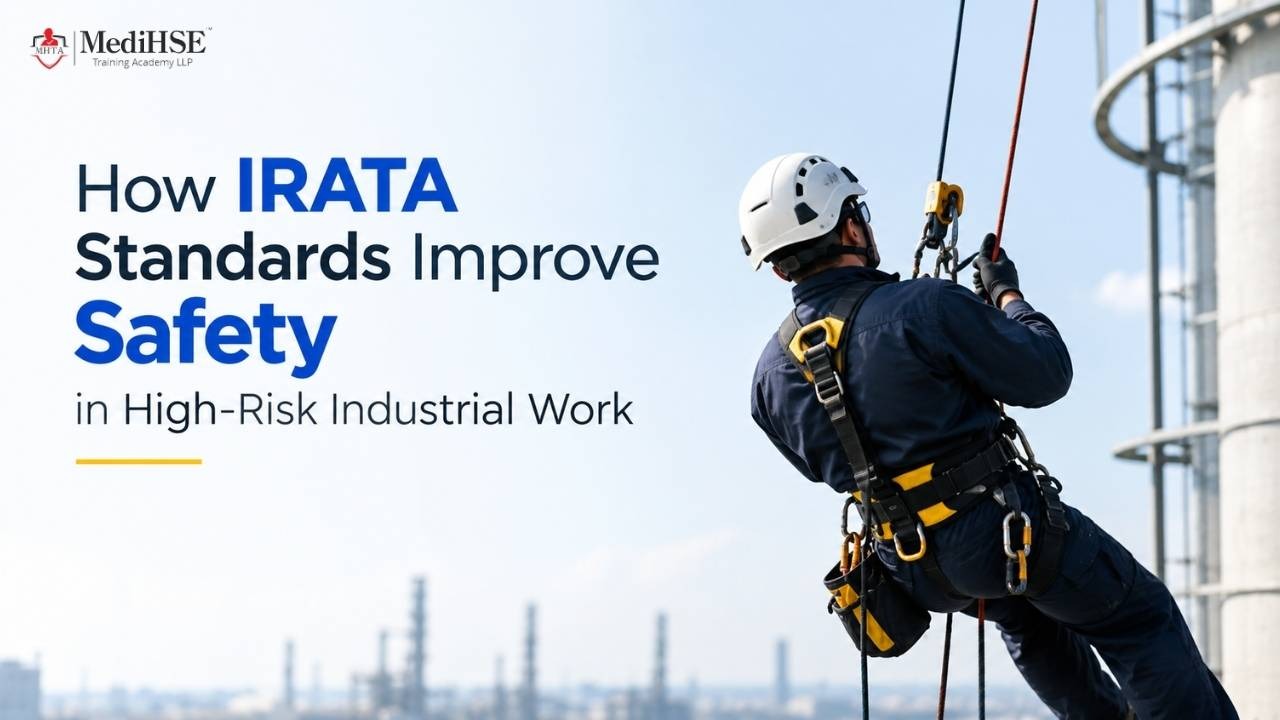
How IRATA Standards Improve Safety in High-Risk Industrial Worky

High-risk industrial activities often involve towers, chimneys, offshore structures, wind turbines and other difficult-to-access locations. Working at these heights requires more than basic precautions—it demands a structured approach to access, equipment, rescue and worker competency. Work at height training, combined with industrial HSE training and appropriate safety training courses in India, can help workers understand and implement recognised safety practices such as those promoted by IRATA.

Read More →
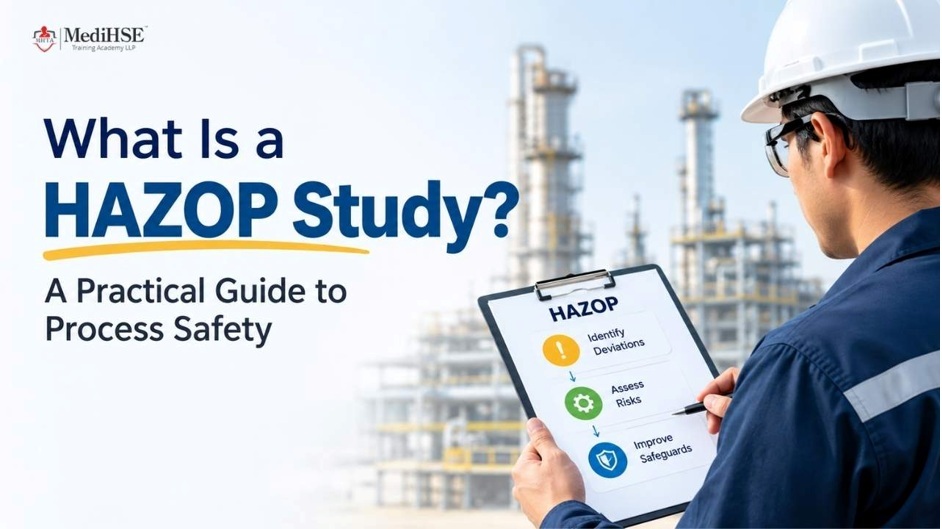
What Is a HAZOP Study? A Practical Guide to Process Safety

In industries handling hazardous chemicals, flammable materials, high pressures or complex processes, identifying hazards before an incident occurs is critical. A HAZOP study (Hazard and Operability Study) is a structured technique used to identify potential deviations from intended process conditions and evaluate their possible consequences. Understanding HAZOP is an important part of industrial HSE training and professional safety practices.

Read More →

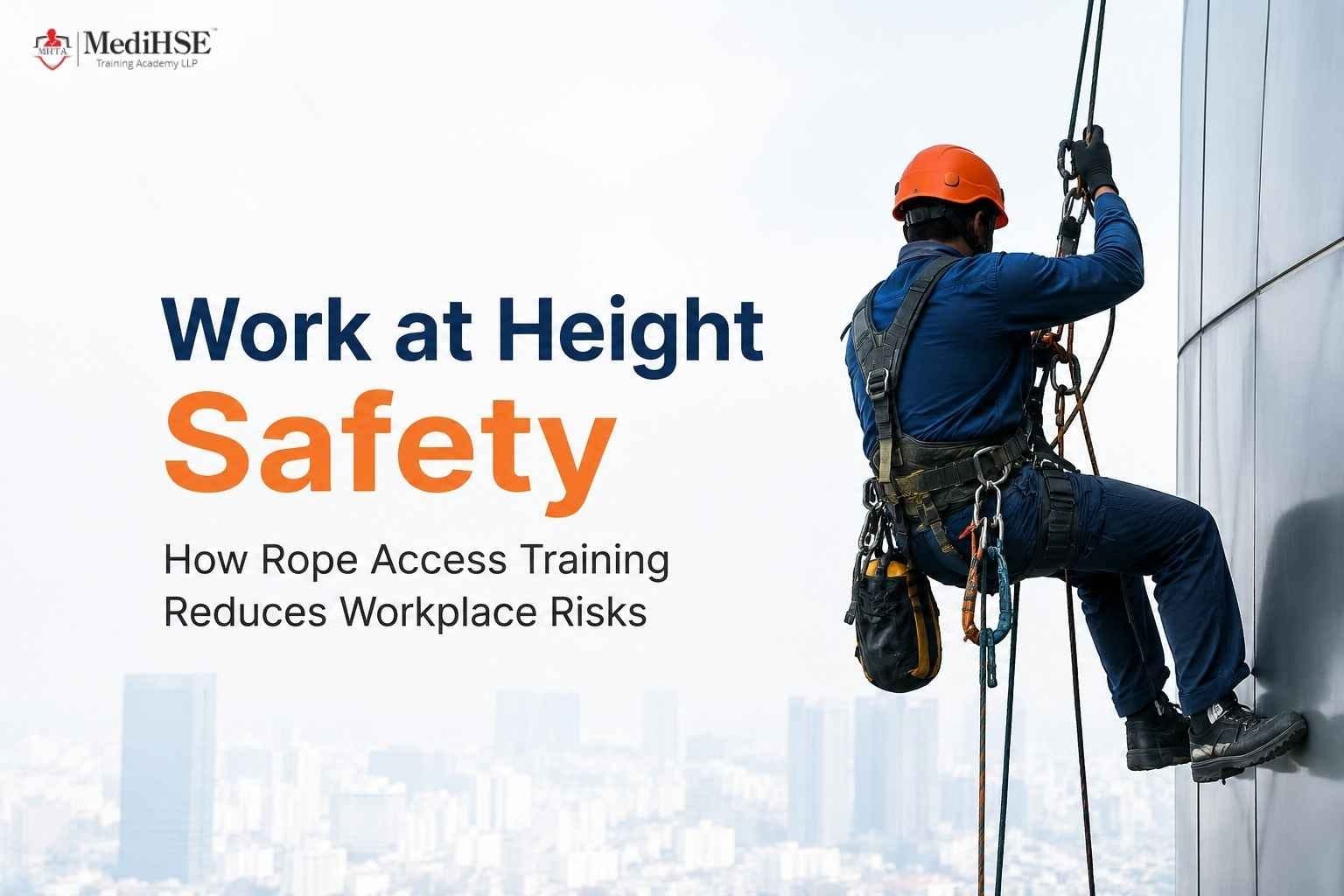
Work at Height Safety: How Rope Access Training Reduces Workplace Risks

Working at height involves serious risks, and even a small mistake can lead to severe injury or fatality. Work at height training in India helps workers understand fall hazards, use safety equipment correctly and respond effectively during emergencies. Combined with industrial HSE training or Tunnel system rescue, it can create a stronger safety culture and help organisations prevent avoidable workplace incidents.

Read More →

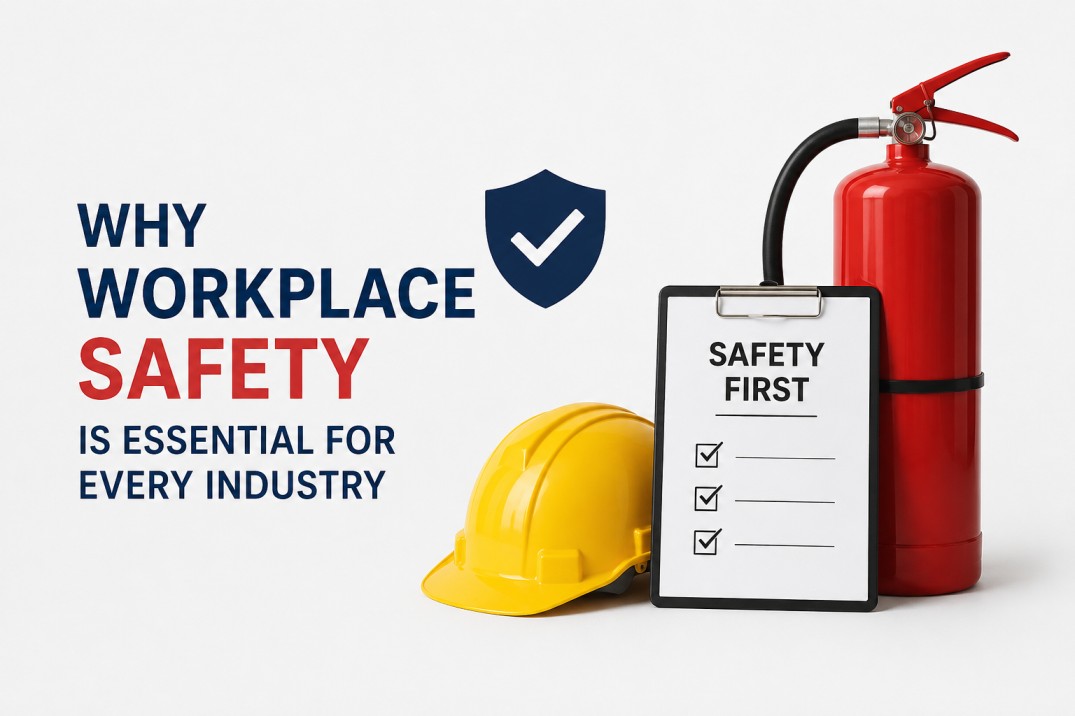
Why Workplace Safety Is Essential for Every Industry

Workplace safety is not limited to factories, construction sites, or heavy industries. Every organisation faces potential risks, from fire hazards and electrical accidents to slips, falls, machinery-related injuries, and emergencies. Investing in workplace fire safety training and effective safety training courses in India can help businesses create safer environments while protecting their most valuable asset—their people.

Read More →


Go To Top